The Sound Engineering programme is a comprehensive and practical learning journey that covers all aspects of audio work, from foundational theory to advanced professional techniques. It explores the history of sound recording, the physics of sound, microphone use, digital and real-world acoustics, audio clean-up, mixing, music theory, and psychoacoustics. The programme also covers audio production for film and television, with hands-on training using industry-standard tools and software. By the end of the programme, learners will be equipped for careers in music, media, broadcasting, or sound design.
🎯 Key Concepts
Understanding the fundamentals and evolution of sound and technical audio concepts
Developing practical skills in recording, acoustics, and microphone usage
Mastering sound editing, clean-up, and mixing techniques
Exploring music theory, rhythm, and psychoacoustics for creative production
Applying advanced skills in mastering, EQ, compression, and audio production for media
✅ Expected Outcomes
Capable of recording, editing, and mixing audio professionally using both analogue and digital tools
Create high-quality sound for music, media, and visual productions
Design efficient workflows and understand how to balance and master audio tracks to meet global standards
Well prepared for roles in music production, live sound, film sound design, or content creation
👥 Target Audience
Audio and music enthusiasts
Radio and television sound editors
Recording studio engineers and technicians
Content creators and podcasters
Students of media, music, or film production
Lesson 1: And Then There Was Sound – The History of Sound Recording
Lesson 2: The Wonderful World of Sound
Lesson 3: What Do All the Numbers Mean?
Lesson 4: Music Theory for Sound Engineers and Producers (Part A)
Lesson 5: Real vs Digital Acoustics
Lesson 6: Microphones – The Secret to Beautiful Recordings
Lesson 7: Clean It Up!
Lesson 8: Feel the Pressure
Lesson 1: Get It Right Every Time
Lesson 2: Psychoacoustics – Say What?!
Lesson 3: Music Theory for Sound Engineers and Producers (Part B)
Lesson 4: I Got Rhythm
Lesson 5: Beat It!
Lesson 6: How Low Can You Go?
Lesson 7: Housekeeping
Lesson 8: Polish Your Track
Lesson 1: Advanced Acoustics – Improve Your Studio
Lesson 2: Microphone Pairs and Placements
Lesson 3: Fix It in the Mix
Lesson 4: Hit It!
Lesson 5: Music Theory for Sound Engineers and Producers (Part C)
Lesson 6: Audio Burgers – Stacking Layers
Lesson 7: The Movies Aren’t Real! (Part A)
Lesson 8: The Movies Aren’t Real! (Part B) – Make Your Own Promo
Lesson 1: Sound Is Everywhere
Lesson 2: Advanced Music Theory and Composition
Lesson 3: Understanding Loudness
Lesson 4: Introduction to Mastering
Lesson 5: Balancing the Mix – EQ
Lesson 6: Learn to Listen – Compression
Lesson 7: Put a Cap on It – Limiting
Lesson 8: Mastering Insights
Students receive an accredited certificate issued by Cambridge British College.
Yes, all certificates issued by the college are accredited by the relevant official authorities.
Yes, after completing the course, you may contact the Admissions and Registration Department to obtain an electronic copy.
You can register online through the website by visiting the Admissions and Registration page and completing the payment electronically.
Applicants must be at least 16 years old or hold a secondary school certificate (or equivalent) for certain programmes.
Yes, you may enrol in multiple courses simultaneously.
All courses are offered online.
The duration varies depending on the programme and generally ranges from one to six months.
Yes, assessment is based on participation, assignments, and final examinations depending on the nature of the course.
Yes, you can retake the course in the next session at a reduced re-enrolment fee.
Fees vary according to the course and number of study hours. Full details are available on each course page.
Payments can be made online via the college’s secure electronic payment link.
Yes, instalment plans are available for selected courses under specific conditions.
No, course fees are non-refundable according to the college’s refund policy.
You can reach us via the official email address or by phone.
Yes, a dedicated technical support team is available to assist with any platform-related issues.
You can schedule an appointment with an academic adviser by contacting the guidance team.
Some courses include practical training or partnerships with employers to provide internship and job opportunities.
 Programs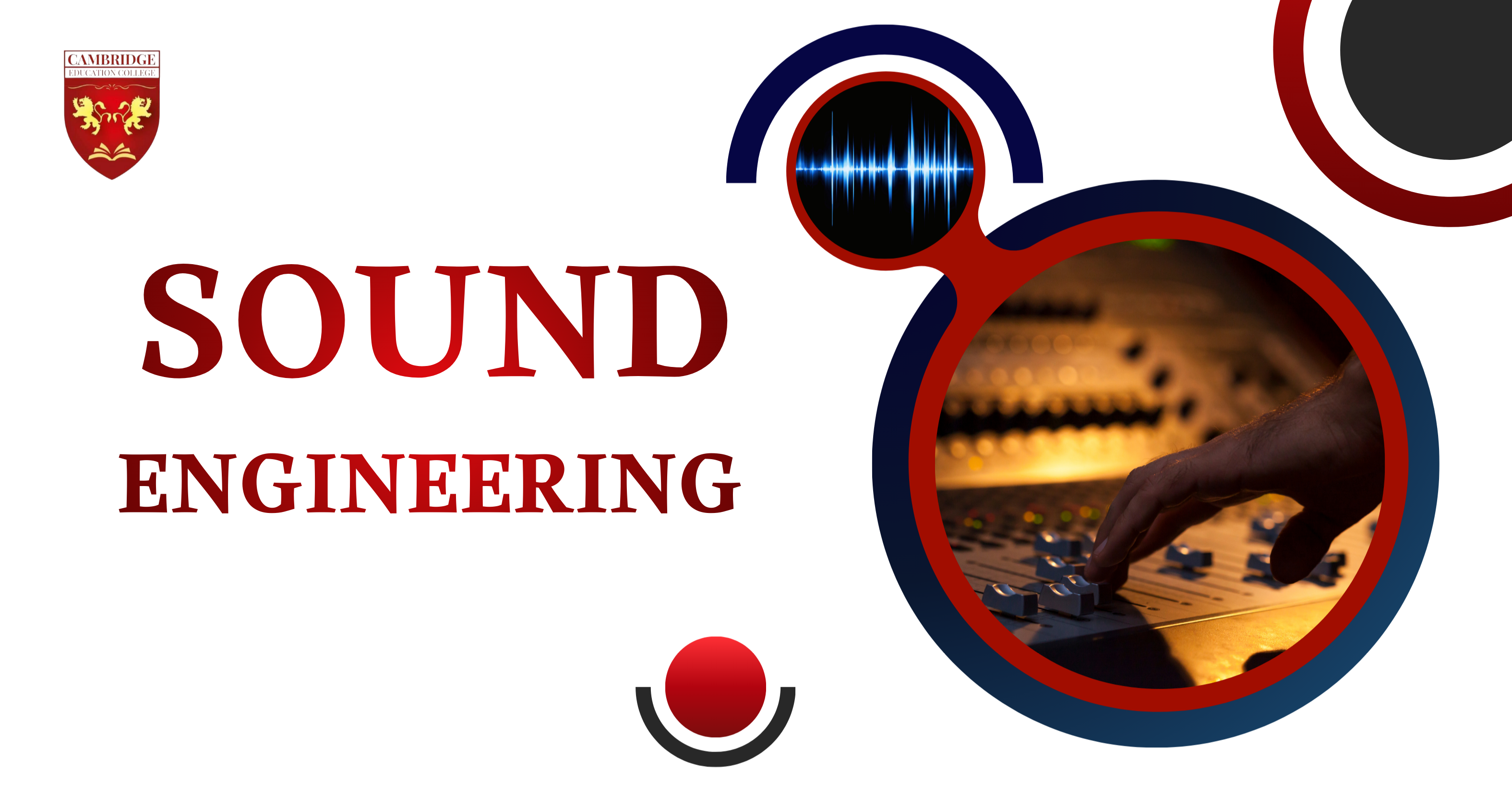

 Welcome to Cambridge Education College