Programs
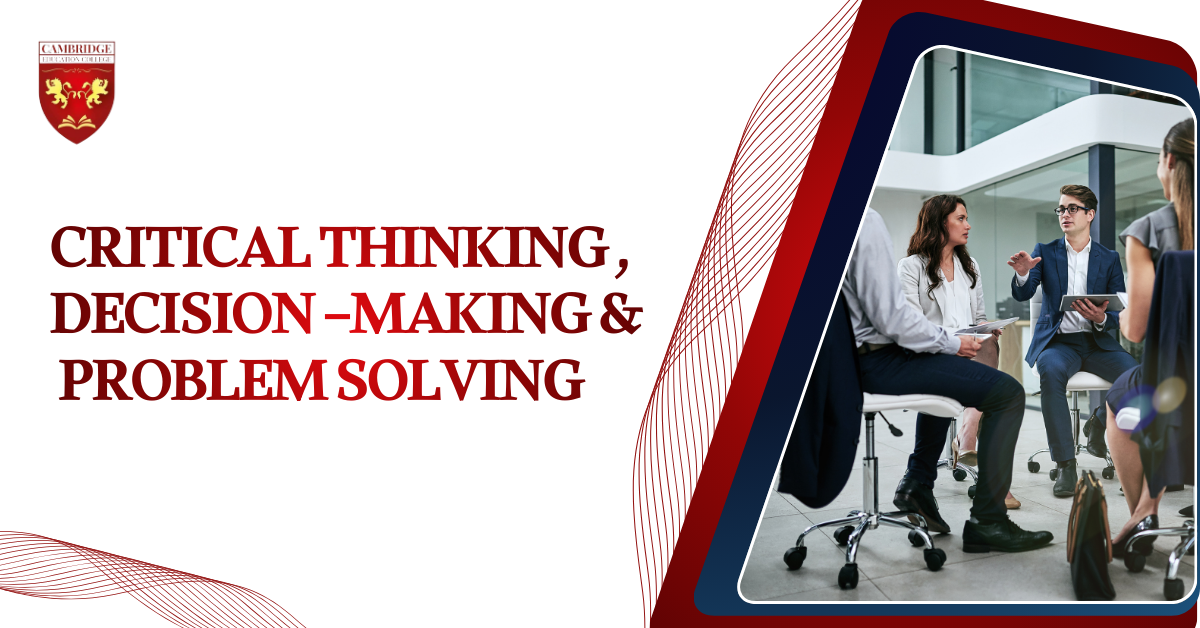
Conflict is a normal part of any healthy relationship; after all, two people cannot be expected to agree on everything all the time. The key is not to fear or avoid conflict, but to learn how to resolve it in a healthy way. When conflict is poorly managed, it can cause significant damage to a relationship; however, when handled respectfully and positively, it offers an opportunity to strengthen the bond between individuals. Whether you are experiencing conflict at home, work, or school, learning these skills can help you resolve differences in a healthy manner and build stronger, more fulfilling relationships.
 Welcome to Cambridge Education College
Marketing 6
Health, Fitness & Wellbeing
Accredied Programs
other link
Graduation of the First Cohort – Clinical Nutrition Diploma
Educational Initiative under the Supervision of Cambridge Education College
Student Visit to Al-Hadban Centre for Special Needs
Participation in the “Health Ambassadors” Event
Graduation Ceremony – Class of 2025
Registration Now Open – December 2025 Intake